
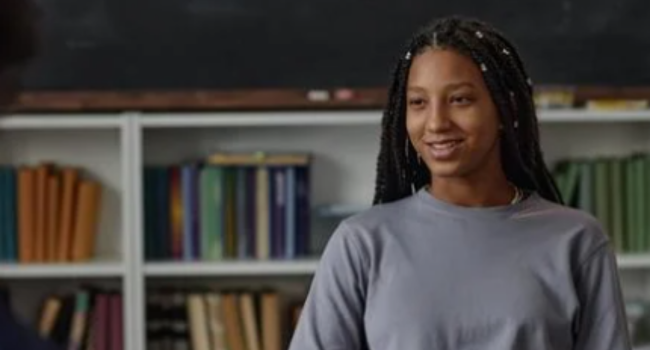
Life had felt overwhelming for Samantha* from a young age. Her mum and brother experienced domestic abuse from one of mum’s previous partners and though they escaped the situation, the repercussions and fear it ignited continue to affect their family. For the safety of the children, her elderly grandparents became the legal guardians of her and her siblings.
At home, Samantha carries a heavy load. She supports her mother’s emotional wellbeing and her declining physical health. She helps care for her grandparents. Her brother struggles with his mental health, and Samantha worries about this and the financial pressures her family faces. They haven’t had much help. Samantha describes feeling repeatedly let down by social services, and by the time Samantha started secondary school, she didn’t want to engage with support anymore.
For Samantha, school became the one place where she didn’t have to shoulder responsibilities. But instead of relief, it became the place where her feelings came out as consistent lateness truancy and constant low level disruptive behaviour. Acting out was her way of asking for help. Yet at the time, there was no safe space to talk and no adult she trusted enough to confide in. With the language barriers, her grandparents struggled to communicate with the school, which meant they didn’t always understand why teachers were calling them in to speak about Samantha’s behaviour either.
Samantha was referred to Inspiring Inclusion, The Winch’s 10-week programme to support young people at risk of school exclusion. Matched with a trained youth worker, she received intensive 1:1 support to build confidence and stay engaged with education.
Through regular meetings with her youth worker, she finally had someone who would listen and affirm what she was feeling. Someone to recognise the difficulties and pressures she was under. She worked with her youth worker on school attendance, building strategies to handle conflict with staff and peers, and attended meetings with her youth worker and her Head of Year so her concerns could be heard. Thanks to the support of her youth worker, her role as a young carer was shared with social services. e. She finally felt that she had a place in the community, where she could feel confident and comfortable.
Over time, Samantha began to rebuild the trust in adults that she had lost. She no longer felt invisible or brushed aside, she felt seen and heard. With a safe outlet to talk about the pressures at home, her anxiety eased and she felt less alone. When things had gone wrong again, Samantha felt able to advocate for herself or ask her youth worker to advocate on her and her family’s behalf. As a result, the family have also been able to access the support they have needed and feel able to share their concerns.
Her relationship with school changed too. She learned practical strategies to manage her day and navigate the challenges she encountered. She began to feel more in control, more capable of finding time to focus on her GCSEs and her future.
Looking back, Samantha says she feels different now. She still carries responsibilities at home, but she no longer feels like she has to manage them by herself and feels comfortable to open up to her youth worker when this becomes difficult.
Her mental health has improved, and she’s attending school regularly and able to focus on what her future might be. We have continued to support her. For Samantha, the most important part of her journey has been being listened to. Having her voice heard, without judgment, has made all the difference.
“I really like it at the Winch. It sounds corny but it’s a safe place for me. Everyone is so easy to get along with and no one is ever left out. It’s nice having a place that’s not home or school where I can talk to someone and they won’t blame me or be rude. If I want to go on a walk instead of sitting, then my youth worker is glad to do it. My youth worker involves me in group things too.’
*names changed.